
Spectrasonics Keyscape: Why It Is the Definitive Keyboard Instrument Library
Keyscape by Spectrasonics contains 36 rare and vintage keyboards recorded across multiple studios with multiple mic positions. Here is what separates it from every other piano plugin on the market.
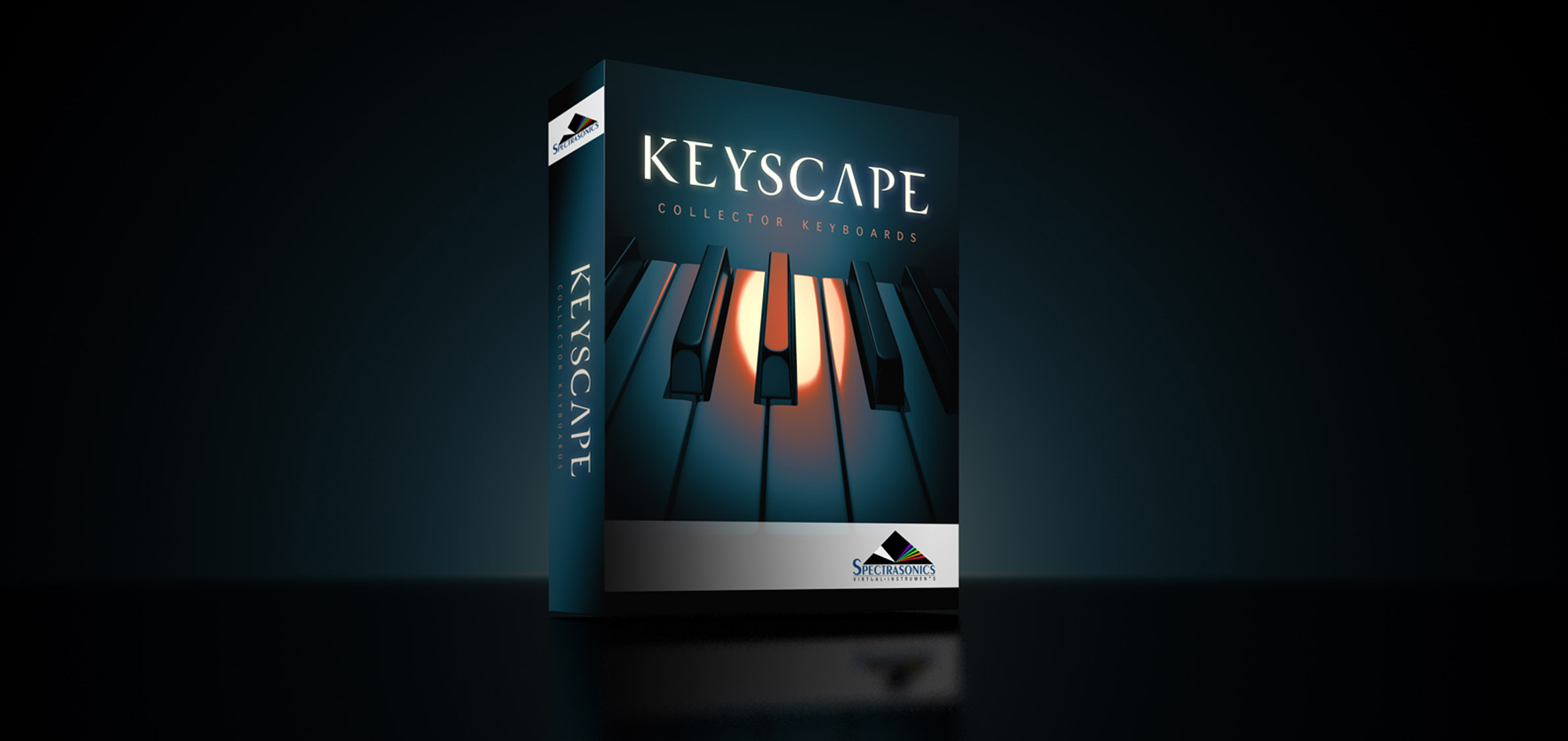
Spectrasonics Keyscape is built around a single ambition: capture keyboard instruments the way they actually sound in a professional studio. The library contains 36 keyboards, including instruments that are nearly impossible to find in playable condition today: a Yamaha C7 concert grand, a Wurlitzer 200A electric piano, a Rhodes Suitcase Mark I, a Hohner Clavinet D6, an antique Celeste, a toy piano, a harpsichord, and more than two dozen others spanning three centuries of keyboard design.
What separates Keyscape from simpler piano plugins is not the number of samples but the depth of the recording process and the post-production work applied to each instrument. Each keyboard was captured in multiple studios using multiple mic positions, meaning the raw sample pool is enormous even before any modeling or processing begins. The result is an instrument library that responds like a real keyboard rather than like a playback machine.
The Recording Process Behind Each Instrument
Spectrasonics spent over ten years developing Keyscape. That timeline reflects the effort required to source instruments in genuine working condition, transport them to premium recording facilities, and capture every nuance that defines their character. The Yamaha C7, for example, was recorded at multiple velocity layers with close and room microphone positions, capturing the bloom of the soundboard and the warmth of the room alongside the direct attack of each key.
Electric pianos such as the Wurlitzer 200A and the Rhodes Suitcase were recorded with the same attention to real-world detail. The tine buzz of the Rhodes, the slightly brittle upper register of the Wurlitzer, and the way each instrument responds to hard versus soft playing are all present in the samples. This is not a cleaned-up, idealized version of those instruments. It is the sound of the real objects in real rooms.
Chromatic instruments including the Clavinet, Celeste, and harpsichord were treated with equal care. The Clavinet in particular required careful recording of its contact-microphone pickup response, which is what gives it the distinctive percussive edge that defines funk keyboard parts from the 1970s.
Mechanical Noise Modeling and Performance Realism
One of the most technically sophisticated aspects of Keyscape is its mechanical noise modeling. Real keyboards produce sounds that go beyond pitched notes: key releases, damper pedal noise, string resonance, key-off samples, and the subtle mechanical clicks of the action. Keyscape captures and models all of these elements separately and blends them in dynamically during playback.
On the grand piano patches, sympathetic string resonance responds when you hold the sustain pedal: notes that share harmonic relationships ring out softly when a related key is played, just as they do on a physical piano. The damper pedal itself produces an audible thud at realistic velocity levels. These details are not decorative. They are the reason a recording made with Keyscape sounds like a real piano in a real room rather than a digital simulation.
The mechanical noise modeling extends to the electric pianos as well. The Rhodes patches include key-off noise that replicates the soft thump you hear when a key rises after being held, and the Wurlitzer patches model the slight mechanical inconsistency between keys that makes a real Wurlitzer sound lived-in rather than pristine.
Keyscape Creative Patches: Vintage Sounds for Modern Production
Keyscape ships with two distinct patch categories. The Authentic patches aim for historical accuracy: the Yamaha C7 sounds like a Yamaha C7, the Rhodes Suitcase sounds like a Rhodes Suitcase. The Keyscape Creative patches take those same core samples and transform them into production-ready instruments designed for contemporary music.
A Creative patch built on the Rhodes might add a slow-attack pad layer blended beneath the tine attack, creating a keyboard sound that sits in an electronic production without fighting the mix. A Creative patch on the Celeste might apply granular time-stretching to the sample tail, turning a delicate antique instrument into a shimmering textural sound useful for ambient or cinematic work. These patches are not generic effects applied to piano samples. They are purpose-built instruments that use the character of the original keyboard as a foundation.
This dual-library approach means Keyscape serves two distinct workflows from a single installation. Session players and composers who need historically accurate keyboard sounds use the Authentic patches. Producers who need modern hybrid instruments use the Creative patches. Both categories are immediately usable at a professional level without additional processing.
How Keyscape Compares to Simpler Piano Plugins
Most piano plugins are built around a single instrument, often a Steinway D or a Yamaha concert grand, recorded in a single studio with one or two mic positions. They sound excellent for their intended use and load quickly, but they represent one keyboard in one acoustic environment. Keyscape represents 36 instruments in multiple environments, which is a fundamentally different proposition.
The more important difference is modeling depth. Simpler piano plugins typically reproduce pitched samples and a basic sustain pedal response. Keyscape goes deeper with elements that make close-listened recordings sound real rather than synthesized:
- Sympathetic string resonance when the sustain pedal is held
- Key-off noise and audible damper pedal thud
- Mechanical action modeling per instrument
- Per-instrument tonal variation across the keyboard
Frequently asked questions
What keyboards are included in Keyscape?
36 instruments are included, covering grand and upright acoustic pianos, electric pianos such as the Rhodes Suitcase Mark I and the Wurlitzer 200A, the Hohner Clavinet D6, harpsichord, Celeste, toy piano, and a range of other rare and vintage keyboards. Each instrument is also available in Keyscape Creative versions that transform the original samples into modern production tools.
Can Keyscape run inside a DAW or does it require a separate application?
Keyscape runs both as a standalone application and as a plugin inside any DAW that supports <code>VST</code>, <code>VST3</code>, <code>AU</code>, or <code>AAX</code> formats. You can load it directly in <strong>Ableton Live</strong>, <strong>Logic Pro</strong>, <strong>Pro Tools</strong>, <strong>Cubase</strong>, <strong>Reaper</strong>, and other major DAWs. The standalone mode is useful for practice and sound exploration without opening a full project.
How does Keyscape handle the different microphone positions from the recording sessions?
For instruments where multiple mic positions were captured, Keyscape exposes a <code>Mic Mix</code> control inside the plugin interface. You can blend between close and room positions to control how much of the acoustic space is present in the sound. This allows the same instrument patch to sit in a dry close-miked track or a more ambient full-room mix without requiring external reverb plugins.
Recommended Related Products
Spectrasonics Keyscape
Collector keyboards library with the most expressive virtual pianos.