
Spire vs Serum: Which Synth Should You Use for Trance and EDM?
A practical comparison of Reveal Sound Spire and Xfer Serum to help trance and EDM producers pick the right synth for their workflow.
Reveal Sound Spire and Xfer Serum are two of the most popular software synths in dance music, and producers constantly ask which one to buy for trance and EDM. They are built around different philosophies: Spire is engineered to hand you bright, polished, ready-to-use sounds with minimal effort, while Serum is a deep sound-design laboratory built around a fully editable wavetable engine.
Neither is objectively better. Your choice depends on what you want: load a preset and get a finished, radio-ready trance sound instantly, or build original textures from the ground up. This comparison breaks down how each synth handles sound, workflow, and CPU so you can decide.
Sound Character
Spire has a signature bright, lush, in-your-face character that defines a huge amount of modern commercial trance and progressive house. Its supersaws and pads sound finished the moment you play them, which is why so many trance producers reach for it first. Many users find Spire's raw output glossier and more immediately mix-ready than Serum.
Serum is cleaner and more neutral, sometimes darker and more metallic thanks to its wavetables, and it shines on heavily modulated sounds for future bass, dubstep, and trap. It does not flatter a sound the way Spire does, but that neutrality is exactly what makes it so flexible — you can sculpt it into almost anything.
Synthesis Engine and Sound Design Depth
This is the biggest practical difference. Serum is a wavetable synth that lets you import your own audio as wavetables, draw waveforms by hand, and route an extremely deep, fully visual modulation matrix. If your goal is to design completely original sounds or learn synthesis in depth, Serum is the more powerful tool.
Spire combines several synthesis types, including classic analog-style oscillators plus FM and hard FM, but it does not allow importing custom wavetables. You work from its included oscillator content. For trance, that limit rarely matters — Spire's oscillators and effects already produce the exact lush, wide sounds the genre is known for.
- Serum: wavetable engine, custom wavetable import, hand-drawn waveforms, very deep visual mod matrix
- Spire: virtual analog plus
FMandhard FM, no custom wavetable import, fast preset-driven workflow - Serum favours from-scratch original sound design across many genres
- Spire favours instant, polished trance and EDM sounds with minimal tweaking
Workflow and Presets
Spire is built for speed. Load a preset, tweak a couple of macros, and you usually have something usable for trance or big-room right away. There is a large ecosystem of commercial trance preset banks made specifically for Spire, and the synth is sometimes described as a platform that sells presets and sample packs because that ecosystem is so strong.
Serum also has a massive preset and tutorial ecosystem, arguably the largest of any synth, but it leans toward learning and customisation. Because every parameter is visual, Serum is the better synth for studying how a sound was built and then reshaping it. If you love opening a patch and reverse-engineering it, Serum rewards that curiosity more than Spire does.
CPU Usage
Spire is generally lighter on CPU than Serum, which matters in big trance projects that stack many synth layers. Serum can be more demanding, especially with high unison counts and oversampling on, though both run efficiently on modern systems.
The Verdict
If you produce trance, progressive, or big-room EDM and want a bright, finished sound fast, Spire is the more specialised and efficient choice. If you want the deepest possible sound-design control and a synth that adapts to every genre from future bass to trap, Serum is more versatile. Plenty of pros own both, reaching for Spire for instant supersaws and pads, and Serum for custom basses and modulated leads.
Frequently asked questions
Is Spire better than Serum for trance specifically?
For trance, Spire is the more specialised tool — its oscillators and effects produce the bright, lush, wide supersaws and pads the genre is known for with almost no tweaking. Serum can absolutely make those sounds too, but you usually do more work to get there. If trance is your main focus and you value speed, Spire wins.
Can Spire import custom wavetables like Serum?
No. Spire does not allow importing your own audio as wavetables. You work from its built-in oscillator content, which includes virtual analog oscillators plus <code>FM</code> and <code>hard FM</code> options. Choose Serum if importing your own samples or drawing custom waveforms is central to your sound design.
Which synth uses less CPU?
Spire is generally lighter on CPU than Serum, which helps in dense trance arrangements with many stacked synth parts. Serum can be more demanding, particularly with high unison voice counts and oversampling turned on, although both run comfortably on modern computers.
Should I buy both Spire and Serum?
Many professional dance producers own both because they complement each other well. Spire handles instant, polished trance supersaws and pads; Serum handles original basses, modulated leads, and genre-bending textures from scratch. On a tight budget, choose based on whether you prioritise speed and finished sound (Spire) or deep customisation (Serum).
Recommended Related Products
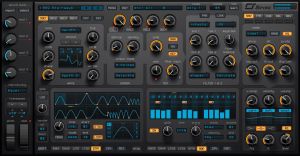
Reveal Sound Spire
Polyphonic wavetable synth combining virtual-analog and digital engines.