Layering Orchestral Strings: Cinematic Studio Strings with Chamber Libraries
Cinematic Studio Strings gives you a lush, detailed core section, but layering it with a chamber library adds intimacy, articulation variety and weight. Here is how to combine them without phase problems, timing drift or a muddy result.
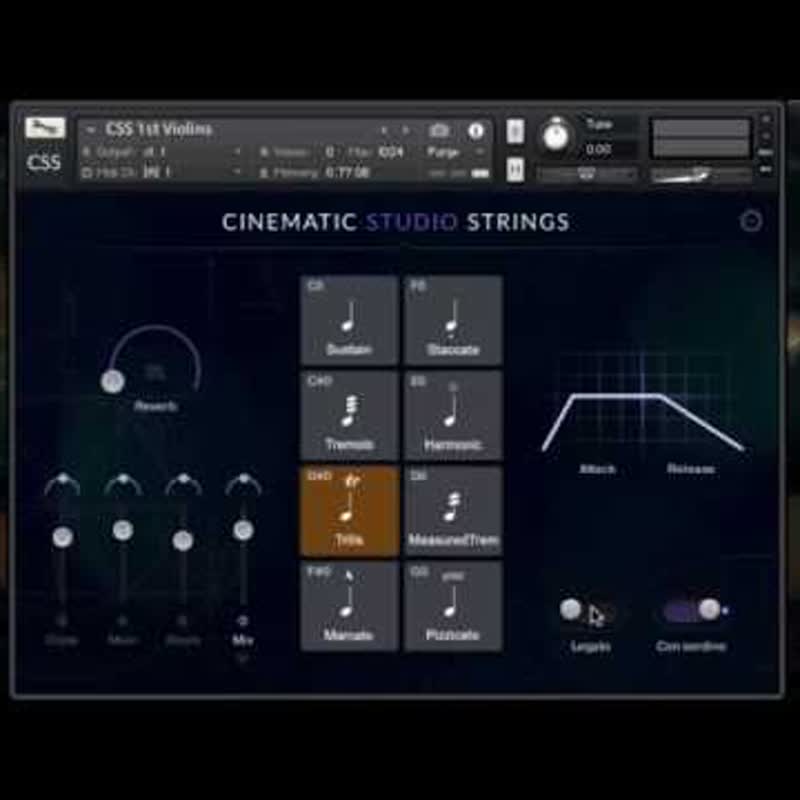
Cinematic Studio Strings (CSS) has become a default string library for film, TV and game composers, and for good reason. Recorded at Sydney's Trackdown Scoring Stage, it delivers a Hollywood-style sound from relatively conservative section sizes: ten first violins, seven seconds, seven violas, six cellos and five basses. The smaller player count lets each section's detailed vibrato shine through, and its legato engine, with true legato transitions and portamento, is one of the most expressive available.
But no single library does everything. Layering CSS with a chamber strings library, smaller and more intimate, gives you articulation options and tonal colors CSS alone does not, and combining a larger and a smaller section can add either intimacy or weight depending on how you balance them. The catch is that layering string libraries is technically fiddly: timing offsets, phase, dynamics and frequency overlap all have to be handled, or the result sounds worse than either library on its own. This guide covers how to do it cleanly.
Why Layer at All?
Layering is not about making everything bigger. Done with intent, it solves specific problems. A chamber library recorded in a tighter, drier space adds clarity and intimacy that a large scoring-stage library smooths over, which is invaluable for exposed, emotional lines. Conversely, CSS's lush full sound can add body and richness under a thin chamber line. And because different libraries were recorded with different articulations and playing styles, layering gives you transitions and textures neither library offers alone.
Composers most often layer CSS with a chamber library to combine CSS's gorgeous legato and portamento with a chamber library's crisper shorts, to add intimacy to CSS's polished sound, or to thicken a small chamber section into something that reads as larger without the artificial bloat you get from simply doubling the same library. Decide which of these you are after before you start, because the goal dictates the balance.
- Add intimacy and clarity from a drier chamber section to CSS's polished sound.
- Add body and lushness from CSS underneath a thin chamber line.
- Combine articulations: CSS legato and portamento with a chamber library's tighter shorts.
- Build a believable larger ensemble from a small section without artificial doubling.
Solving the CSS Timing Offset
The single biggest technical hurdle with CSS is its built-in legato delay. CSS deliberately models the natural delay of a real string transition, so notes speak later than you play them, and the amount varies by articulation. Shorts have a relatively small delay, while the legato transitions can run much later, with the slowest legato speed sitting around several hundred milliseconds behind the grid. Layer CSS against a chamber library that speaks immediately, and the two will be audibly out of sync.
The fix is negative track delay. Most DAWs let you set a track to trigger earlier than the grid, so you compensate for CSS's delay by offsetting its MIDI track negatively until its notes land on the beat. A common starting point for legato is to offset by the slow legato amount, often in the region of a few hundred milliseconds, and to nudge the other tracks to match. The exact value depends on the articulation, so test against a click and against your chamber layer rather than trusting one number. Some composers use control-panel tools or duplicate patches per articulation so each note type can be offset independently.
- Identify the CSS legato delay for your articulation: shorts are tight, slow legato lags most.
- Apply
negative track delayto the CSS MIDI track to pull notes forward onto the grid. - Start near the slow-legato delay amount and fine-tune against a click and your chamber layer.
- Lock timing before touching levels or EQ — rhythm must be right first.
Balancing Dynamics, Mics and Phase
Once the layers are in time, the next job is making them breathe together. Both CSS and most chamber libraries map dynamics to a modulation controller, so write or draw a single expression curve and apply it consistently across both, or one layer will swell while the other sits flat and the illusion of a single section falls apart. Matching the dynamic movement is what fuses two libraries into one believable performance.
Microphone positions are your main tonal blend tool. CSS offers mic mixes from close to room; pulling it back to just the close position gives a tighter, more chamber-like sound that sits better against an intimate library, while adding the room mics restores the lush scoring-stage ambience. Choose mic positions that complement rather than duplicate: if your chamber library is dry and close, lean on CSS's room mics for space, and vice versa, so the two occupy different parts of the depth field instead of fighting.
Watch phase and ambience. Two libraries recorded in different halls with different reverb tails can smear the combined sound, so keep one library as the primary source of space and treat the other more dryly. If the low end weakens when you combine the cello and bass layers, check polarity. A shared reverb send on both layers can also help glue them into a single acoustic space rather than two stacked recordings.
EQ, Arrangement and Avoiding Mud
The biggest risk of layering is a thick, muddy low-mid buildup where both libraries pile energy into the same 200 to 500 Hz region. Carve complementary EQ rather than boosting both: let one library own the body and gently thin the same range on the other so they interlock instead of stacking. High-pass whichever layer does not need the lowest frequencies to keep the bottom clean.
Arrangement matters as much as mixing. You rarely need both libraries playing every note. A powerful approach is to assign roles: CSS carries the sustained legato and the lush pads while the chamber library handles the exposed melodic line or the crisp shorts, so each library does what it does best. CSS's relatively conservative player count means it handles divisi-style writing without the multiplied-player bloat that larger libraries suffer, so you can split parts across the two libraries to imply a fuller, divided section. Layer deliberately, in time, with matched dynamics and complementary frequencies, and two good libraries combine into an ensemble that is more convincing and more flexible than either one alone.
Frequently asked questions
Why do my CSS and chamber library layers sound out of time?
<strong>Cinematic Studio Strings</strong> has an intentional built-in legato delay that models the natural lag of a real string transition, so its notes speak later than you play them, and the amount varies by articulation. A chamber library that speaks immediately will be audibly ahead of CSS. The fix is <code>negative track delay</code>: offset the CSS MIDI track earlier than the grid so its notes land on the beat, starting near the slow-legato delay amount and fine-tuning against a click and your chamber layer. Lock the timing before you balance levels.
How do I use mic positions when layering CSS with a chamber library?
Use mic positions to make the two libraries occupy complementary spaces rather than duplicating each other. CSS lets you mix from close to room mics; pulling back to just the close position gives a tighter, chamber-like tone that blends with an intimate library, while the room mics add scoring-stage ambience. If your chamber library is already dry and close, lean on CSS's room mics for depth; if it is roomy, keep CSS closer. The goal is two layers sitting at different depths, not two reverbs fighting.
How do I stop layered strings from sounding muddy?
Mud usually comes from both libraries piling energy into the same low-mid region, roughly 200 to 500 Hz. Instead of boosting both, carve complementary EQ: let one library own the body and gently thin the same frequencies on the other so they interlock. High-pass whichever layer does not need the lowest frequencies. Also avoid having both libraries play every note; assign roles so each carries different material. Matched dynamics and a shared reverb space help the layers fuse rather than smear.
Should both libraries play exactly the same part?
No — doubling the identical part in two libraries is the least interesting way to layer and is where most phase and mud problems originate. Assign roles instead: let CSS carry the sustained legato and lush pads while the chamber library handles the exposed melody or crisp short articulations. You can also split divisi-style parts across the two, which CSS handles well thanks to its conservative player count, to imply a fuller, divided ensemble than either library would produce alone.